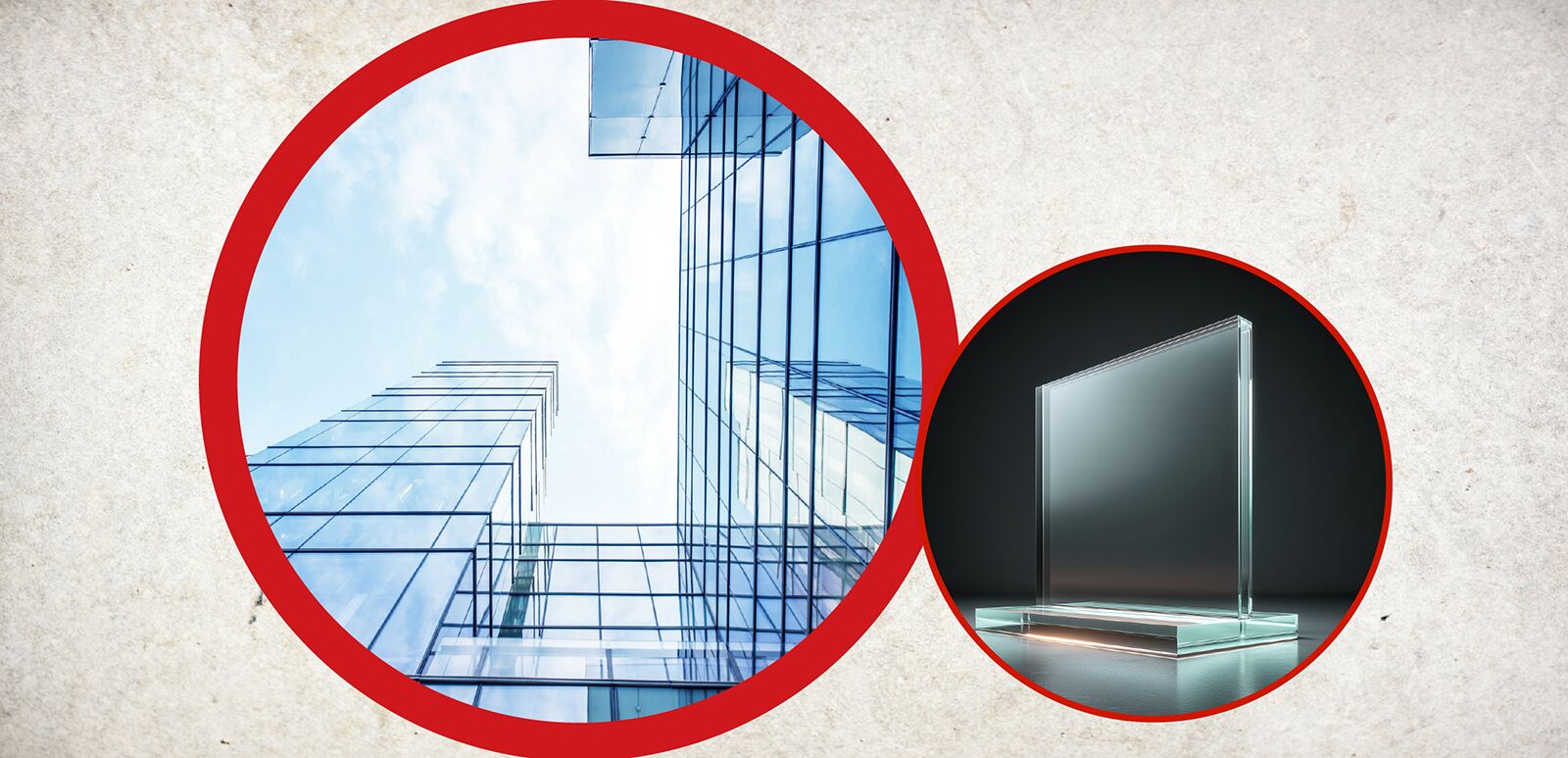
In the fast-paced, industrial world of today, glass is no longer merely an inert transparent material; it is now a medium of innovation. Industrial glass plays a significant role in contemporary manufacturing and infrastructure, from tall skyscrapers to sophisticated machinery and electric cars. Because of its strength and versatility, it is frequently used in energy, refrigeration, cars, and construction.
This blog will cover the lifecycle of industrial glass accessories from design to installation and maintenance in detail.
Before we delve into the stages, first, let’s learn about the different types of industrial glass and their different uses:
- Laminated Glass: This is the safe glass, including car windshields, skylights, and security applications.
- Toughened (Tempered) Glass: Toughened glass is stronger than laminated glass and resistant to higher heat. The facade is tempered glass, and internal partitions are formed from it. Doors and machinery like refrigeration also use the same type of glass.
- Insulated Glass Units (IGU): Created for thermic and acoustic insulation, IGU is used in solar panels, windows and windmills.
At Him Imperial Auto Glass Works, we provide tailored glass solutions that meet stringent industry demands while ensuring clarity, durability, and safety.
Conceptualisation and Design
Every project starts with a vision. Our professionals at Him Imperial work closely with clients during the conceptualisation stage to determine the functional needs, environmental considerations, and aesthetic objectives.
Using CAD and 3D modelling tools, the facade panels’ exact designs are finished while adhering to these specifications. Each panel is meticulously designed, including precise measurements, load-bearing calculations, and finishing touches. We evaluate features like impact safety, soundproofing, thermal insulation, and UV resistance depending on the application.
Installation and Commissioning
The fabricated glass then enters the most crucial stage of installation. The whole procedure goes as follows:
Safety First
Installation involves handling large panels, which is a high-risk operation. Our teams have been trained to ensure safety at all times. They work with cranes, suction equipment, safety gear, and anti-slip rigging.
Installation Procedures
- The curtain wall and glazing of building facades use framing and structural silicone adhesives.
- Heavy-duty industrial installations, such as machinery enclosures or clean rooms, utilize bolted systems.
- Modular installations are used in time-sensitive projects such as airports, commercial complexes, or solar farms.
Post-Installation Tests and Maintenance
The process of quality assurance doesn’t end with installation. At Him Imperial Auto Glass Works, each glass solution is tested after installation for weather resistance, airtightness, structural integrity, thermal or acoustic performance, and other factors. These standards ensure the long-term safety, effectiveness, and dependability of all industrial applications, including those in the construction, energy, and automotive sectors.
Maintenance is also essential for a project to last. Him Imperial’s post-installation maintenance service includes routine inspections of the installation and expert cleaning with non-abrasive, safe products. In the event of damage, repair or replacement is assured further to lessen the possibility of an interruption to operations. Him Imperial is always on hand to assist with issues resulting from durable, high-performance glass products during and after installation.
From initial ideation to on-site implementation, the lifecycle of industrial glass reflects the complexity, precision, and reliability that define modern engineering. At Him Imperial Auto Glass Works, we ensure every step is handled with attention to detail, safety, and performance because your projects deserve glass solutions built to last.
Whether it’s automotive, architectural, or industrial applications, our promise is simple: quality that stands the test of time.