

愚かで馬鹿 PORN HUB ADULT SEX FREE 这个人真是个笨蛋 亚洲最大的色情网站 千元大寫字母的色情
愚かで馬鹿 PORN HUB ADULT SEX FREE 这个人真是个笨蛋 亚洲最大的色情网站 千元大寫字母的色情
愚かで馬鹿 PORN HUB ADULT SEX FREE 这个人真是个笨蛋 亚洲最大的色情网站 千元大寫字母的色情
Jyk87d8fj↑↑↑Black Hat SEO backlinks, focusing on Black Hat SEO, Google Raking
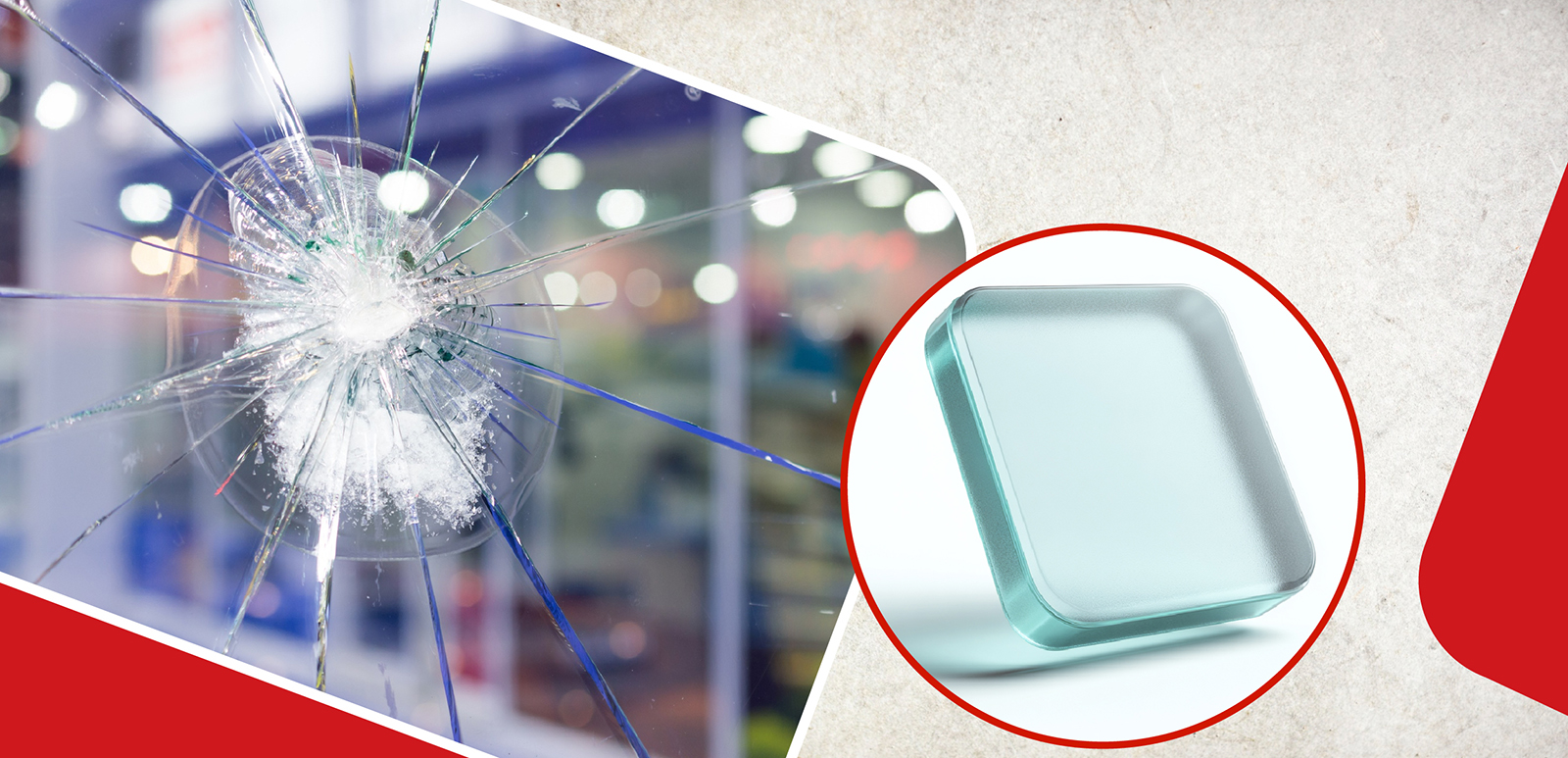
Bulletproof glass isn’t a luxury when it comes to protecting people and valuable property; it’s a NEED. Whether you’re building an armored vehicle or safeguarding a high-risk establishment, choosing the right type of bullet-resistant glass can make a significant impact. But how can you tell which of the many grades, compositions, and applications best fits your needs?
We’ll go over everything you need to know in this guide so you can make an informed choice.
How is bulletproof glass made, and what is it?
In reality, bulletproof glass is bullet-resistant, despite its popular moniker. It is designed to absorb a bullet’s energy and stop penetration, saving vital time and safeguarding the most important things.
Usually, to create bulletproof glass, several sheets of plastics, such as polycarbonate and acrylic, or laminated glass, which is intended to distribute impact force, is created by bonding these layers together with heat and pressure. The end effect is a robust, clear barrier that, depending on the degree of resistance, can either slow down or stop bullets.
These layers can vary in thickness and composition depending on the threat level the glass is designed to withstand.
Various Protection Levels: Layers and Grades
The level of defense provided by bulletproof glass varies. Standards like those from the National Institute of Justice (NIJ) or EN 1063 (European Standard) usually classify the protection level.
Here is a condensed summary of typical levels:
Level 1: Low Handguns (9mm) in homes and retail counters
Level 2–3: Medium Handguns of higher caliber Offices and banks
Level 4+: Military-grade weapons, such as high-powered rifles, armored vehicles, and embassies
Weight, thickness, and performance are influenced by the number of layers and materials used. Level 4 glass, for instance, is ideal for maximum defense but not suitable for all building types because it can be several inches thick and very heavy.
Where Do You Use Bulletproof Glass?
Growing safety concerns have led to an expansion in the use of bullet-resistant glass in various industries. Typical uses consist of:
- Teller counters, ATM enclosures, and entrances are examples of banks and financial institutions.
- Police cars, cash-in-transit vans, and VIP transport are examples of security and armored vehicles.
- Airports, government buildings, jewelry stores, and embassies are examples of high-risk structures.
- Retail & Corporate Offices: Storefronts in high-risk areas, reception areas, and panic rooms.
Additionally, modern bullet-resistant glass can be customized for aesthetic requirements, such as curved panels for design-sensitive applications.
How could one select the best bullet-resistant glass for one’s requirements?
The following hints will aid you in making the appropriate choices for your particular application:
- Assess Type of Threat
Is it a rifle or a handgun? Is the glass to be verified against an explosion or only against ballistic threats? Choose the grade of glass based on the level of threat.
- Consider the Site of Installation
For cars, something lighter is best, such as polycarbonate laminates. For buildings, consider visibility and structural support requirements.
- Security vs Aesthetic Preference
More modern options, such as Him Imperial Auto Glass Works bullet-resistant glass, offer bespoke designs without compromising safety or style. Low-reflective, curved, and tinted versions are all available.
- Ask for Certified Standards
Always ask for test reports and certifications consisting of NIJ, EN 1063, or UL ratings. Real dealers sell trustworthy solutions that are backed by a track record for reliability.
Choosing the appropriate bullet-proof glass necessitates a delicate balance between practicality, performance, and protection. Comprehending your unique needs can assist you in making the proper decision, regardless of whether you are protecting individuals, property, or both. Working with a trusted, certified manufacturer like Him Imperial Auto Glass Works ensures you get glass that meets rigorous safety standards.
Him Imperial Auto Glass Works is one of India’s leading manufacturers of glass and a complete glass solutions company. Him Imperial produces several varieties of glass for various applications. Established in 2008 in Kala Amb, Himachal Pradesh, Him Imperial manufactures to exacting internal standards using the finest raw materials and processes. The company is ISO 9001:2015 certified and our products’ quality standards are approved/verified by ARAI (THE AUTOMOTIVE RESEARCH ASSOCIATION OF INDIA), ICAT (INTERNATIONAL CENTRE OF AUTOMOTIVE TECHNOLOGY), BIS (BUREAU OF INDIA STANDARDS) & IATF (TS). We are a European Union (E+ Marking) certified company.
Our manufacturing facilities incorporate modern machinery and a full-fledged testing lab with sophisticated equipment. We have developed a high level of competence in product development that includes in-house tool design. Today we are a widely recognised automotive and building and construction glass solutions company and produce one of the largest spans of laminated glass (2000 * 3000 mm wide) for front windshields of heavy vehicles.
Since inception, we have worked to forge long term relationships with our customers and are driven by the core values of integrity, transparency and commitment to quality. We are proud to have some of the best known names in the industry for customers – leading coach builders, state road transport corporations, heavy engineering equipment manufacturers, reputed builders and developers, prestigious manufacturers of buses, cars and trucks among others, who vouch for Him Imperial laminated safety glass.
To learn more about our offerings in laminated glass and our range of products, visit us at himimperial.in.