

愚かで馬鹿 PORN HUB ADULT SEX FREE 这个人真是个笨蛋 亚洲最大的色情网站 千元大寫字母的色情
wei904k0kdf.↑↑↑Black Hat SEO backlinks, focusing on Black Hat SEO, Google Raking
Jyk87d8fj↑↑↑Black Hat SEO backlinks, focusing on Black Hat SEO, Google Raking
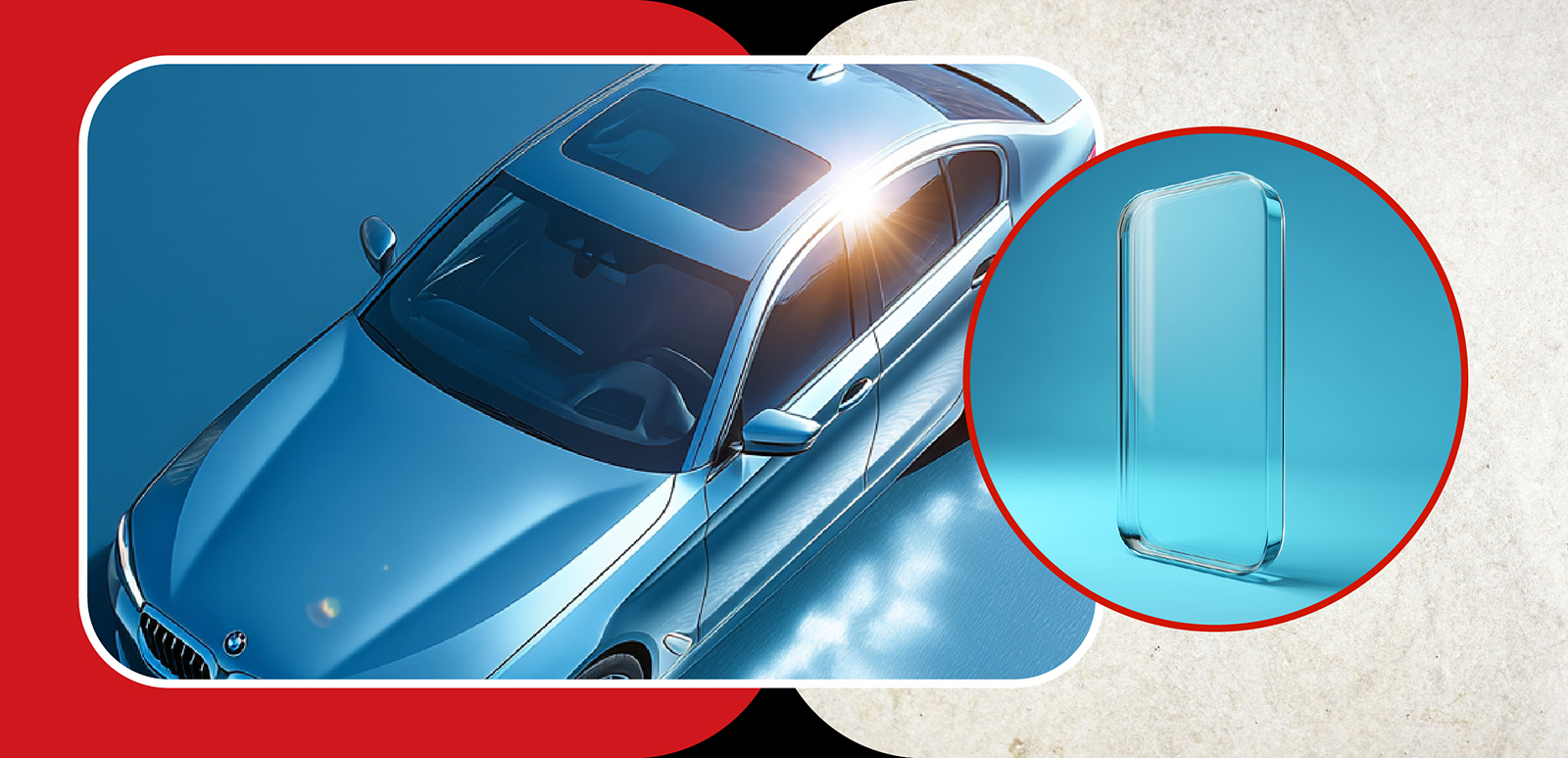
Luxury is no longer just about comfort in the automobile industry. Today, developments in new materials are used by the automotive industry to serve increasingly demanding customers who have a growing interest in fuel efficiency, thermal management, and noise reduction inside vehicles. The current market is increasingly employing insulating glass in climate control applications. It’s that rare win-win-win formula, a marvelous mix of science, safety, and sustainability.
What is Insulated Glass?
Insulated glass, or double glazing, is a multi-glass combination used primarily to reduce sound transmission and solar heat gain. At the very least, two pieces of glass with a spacer in between are sealed at the edges and corners to create an airtight gap of about 1/2 inch. This void is typically filled with inert gases such as argon or krypton, which insulate better than regular air.
Key Components:
- Glass pane: Tempered/laminated, with solar control surface treatments.
- Spacer material: Aluminum, stainless steel, or warm-edge for holding separation and reducing thermal bridging.
- Insulating gas: Gases like Argon and Krypton are used for thermal performance.
- Sealing compound: To guarantee that the unit stays airtight and moisture-free for its lifetime.
How the Insulated Glass Works in the Automotive Climate Control
1. Thermal Insulation
Insulated Glass is mainly meant to reduce heat transfer. It blocks excessive heat gain when sunlight hits the window during the summer, limiting the load on the air conditioner. In colder months, it helps to keep the warm air inside, thus reducing heating requirements. The cabin remains cool and comfortable year-round.
2. Solar Energy Management
Modern insulated Glass can be treated with low-E films that reflect the infrared radiation and allow visible light to pass through. This cuts down solar heat gain, a factor very much needed in sunroof panels or big glass panes so that the interior stays cool without sacrificing natural light.
3. Prevention of Condensation and Fog
Insulated Glass also facilitates moisture management. Maintaining the interior glass surface at a temperature closer to that of the cabin diminishes the likelihood of fogging during chilly mornings or in high-humidity conditions. As a result, visibility and safety are enhanced for drivers and passengers.
Benefits for the Automotive Industry
Incorporating insulated Glass into vehicle design provides numerous benefits:
- Increased fuel efficiency: Improved thermal insulation diminishes the necessity for HVAC systems to operate at full capacity, reducing the consumption of fuel or batteries.
- Passenger Comfort: A consistent cabin climate, reduced glare, and lower noise levels significantly enhance the travel experience.
- Sustainability: Reducing energy consumption reduces the environmental footprint, which is crucial for modern electric and hybrid vehicles.
- Component Life Extension: Interior components, including dashboards, seats, and electronics, endure diminished wear and tear due to diminished UV penetration and thermal exposure.
Testing and Quality Standards at Him Imperial
At Him Imperial, all insulated glass units undergo rigorous testing to guarantee superior thermal performance, durability, and safety.
The Glass undergoes examination for the following:
- Thermal conductivity
- Fog resistance
- Gas retention over time
- Efficiency of UV and solar control
- Durability of vibration and impact (by automotive standards)
Modern vehicles increasingly incorporate insulated glass as the automotive industry transitions to more sustainable and intelligent designs. It is essential to vehicle safety and longevity, and it enhances efficiency and comfort. We are honored to participate in this transformation at Him Imperial, providing high-performance insulated glass solutions designed for tomorrow’s mobility.